Buying liquidation inventory can be a practical way to source merchandise in volume, but successful buying depends on understanding exactly what you are purchasing, how it will be delivered, what information is available before the sale, and whether your business can realistically process and resell the quantity. This guide explains the core decisions buyers should make before purchasing pallets, truckloads or export-container inventory.
A low acquisition price does not automatically make a load profitable. Freight, labor, storage, sell-through time, platform fees and unsellable units all affect the true cost of inventory.
What liquidation inventory actually means
Liquidation is a broad term for merchandise sold outside a retailer’s normal consumer sales channel. Depending on the program, inventory may consist of overstock, shelf pulls, discontinued goods, open-box products, mixed-condition merchandise or other wholesale inventory. Because programs vary, buyers should rely on the specific listing and confirmed order details rather than assume every pallet has the same condition or documentation.
At Pallet Stock Depot, buyers can compare wholesale pallet inventory across categories such as apparel, electronics, tools, home goods, appliances, beauty and toys, as well as larger truckload and container programs.
Understand inventory condition before you buy
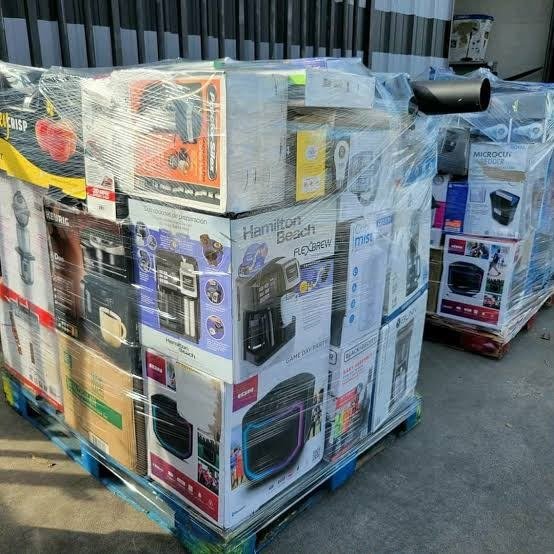
Condition terminology affects pricing, resale potential, inspection workload and expected risk. A buyer should always confirm the condition represented on the specific product or load. Where Pallet Stock Depot identifies current product inventory as New & Overstock, that condition should be read together with the individual listing and current availability confirmation.
| Inventory term | What buyers should confirm |
|---|---|
| New / Overstock | Whether merchandise is unused, excess inventory, closeout stock or retailer overstock, plus packaging condition and assortment details. |
| Open Box | Whether packaging has been opened, whether accessories are complete and whether inspection or testing has occurred. |
| Returns | Whether items are tested, untested or mixed, and whether functional or cosmetic grading is available. |
| Shelf Pulls | Packaging wear, stickers, seasonal timing, store-display exposure and completeness. |
| Mixed Condition | The expected condition range, whether examples are available and how the load is described by the supplying program. |
Manifested vs. unmanifested inventory
A manifest is a document that may describe products in a pallet or load. It can include item names, quantities, model information, retail values or other inventory data. However, documentation varies by program. Some programs may include detailed manifests, some provide partial summaries or sample documentation, and others may be sold without item-level manifests.
Before buying, ask what documentation is available for that exact pallet or truckload and whether the information is final, estimated or representative.
How to choose the right inventory for your business
The best pallet is not necessarily the pallet with the biggest recognizable brand. It is the inventory your sales channels, customer base, capital and operations can handle efficiently.
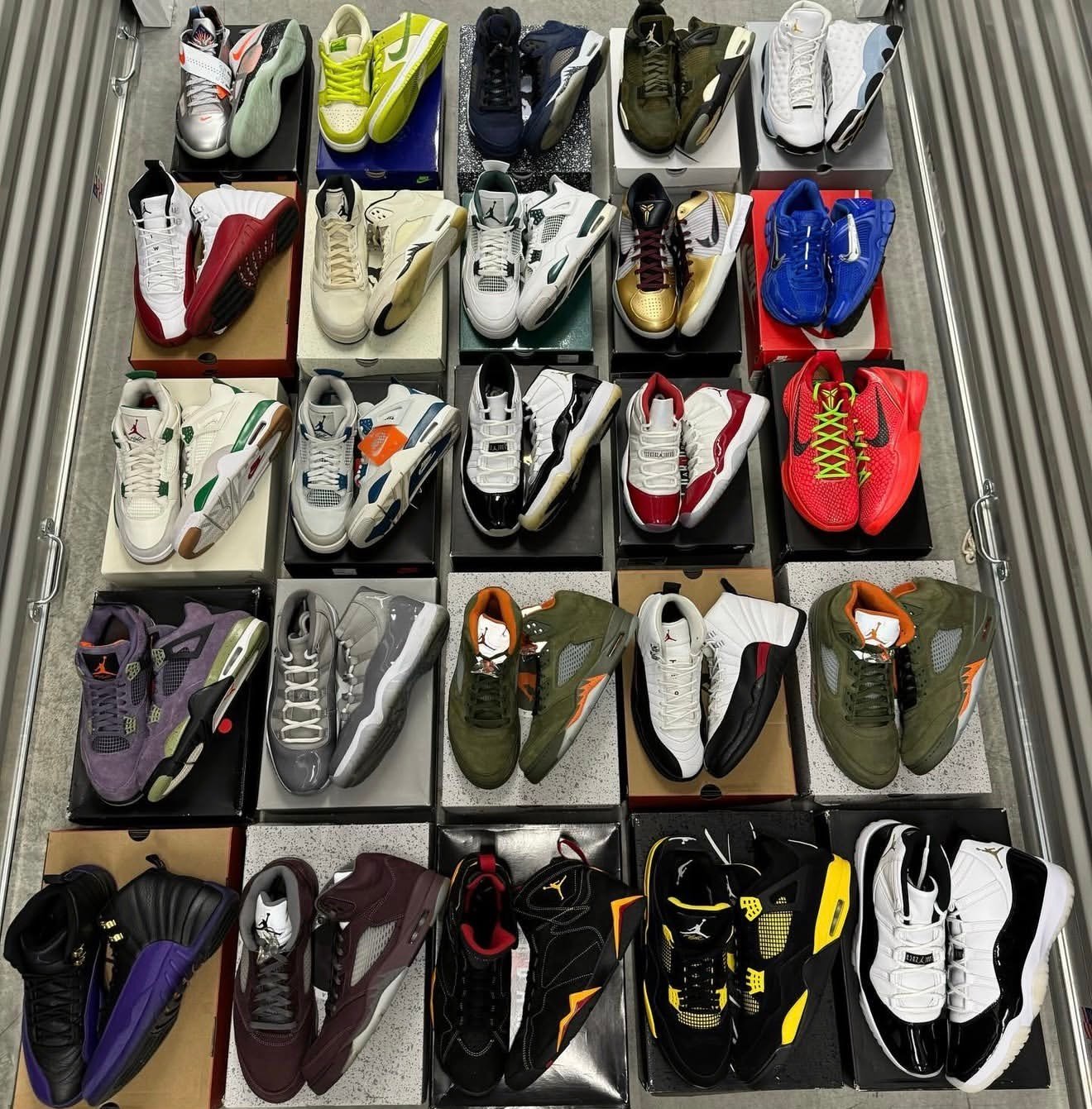
Apparel & Footwear
Suitable for boutiques, sneaker sellers, clothing stores and online fashion resellers.
Browse Apparel →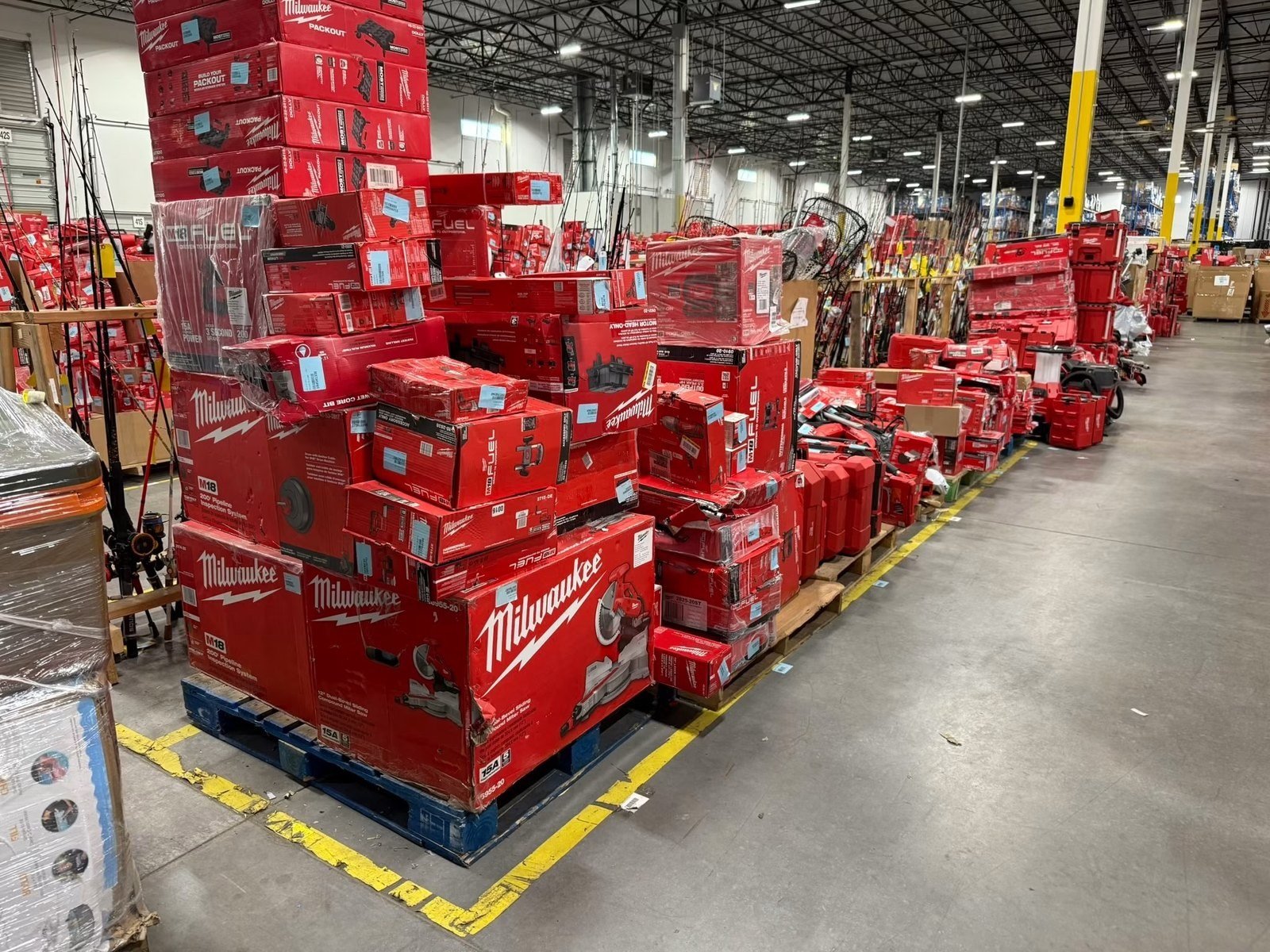
Tools
Useful for hardware resellers, tool dealers, contractors and home-improvement sellers.
Browse Tools →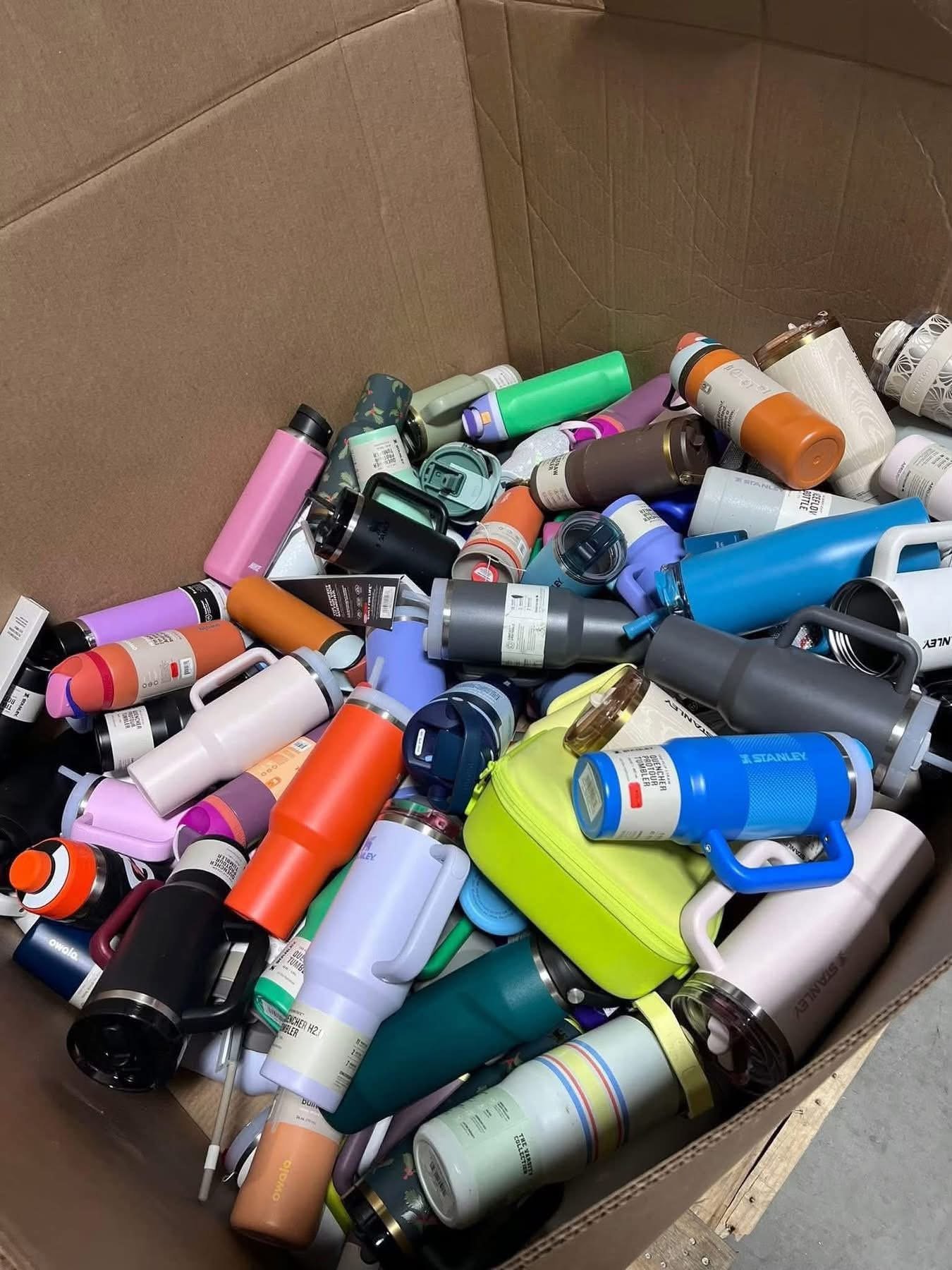
Home Goods
Includes household, baby, cleaning, paper, drinkware and furniture-related programs.
Browse Home Goods →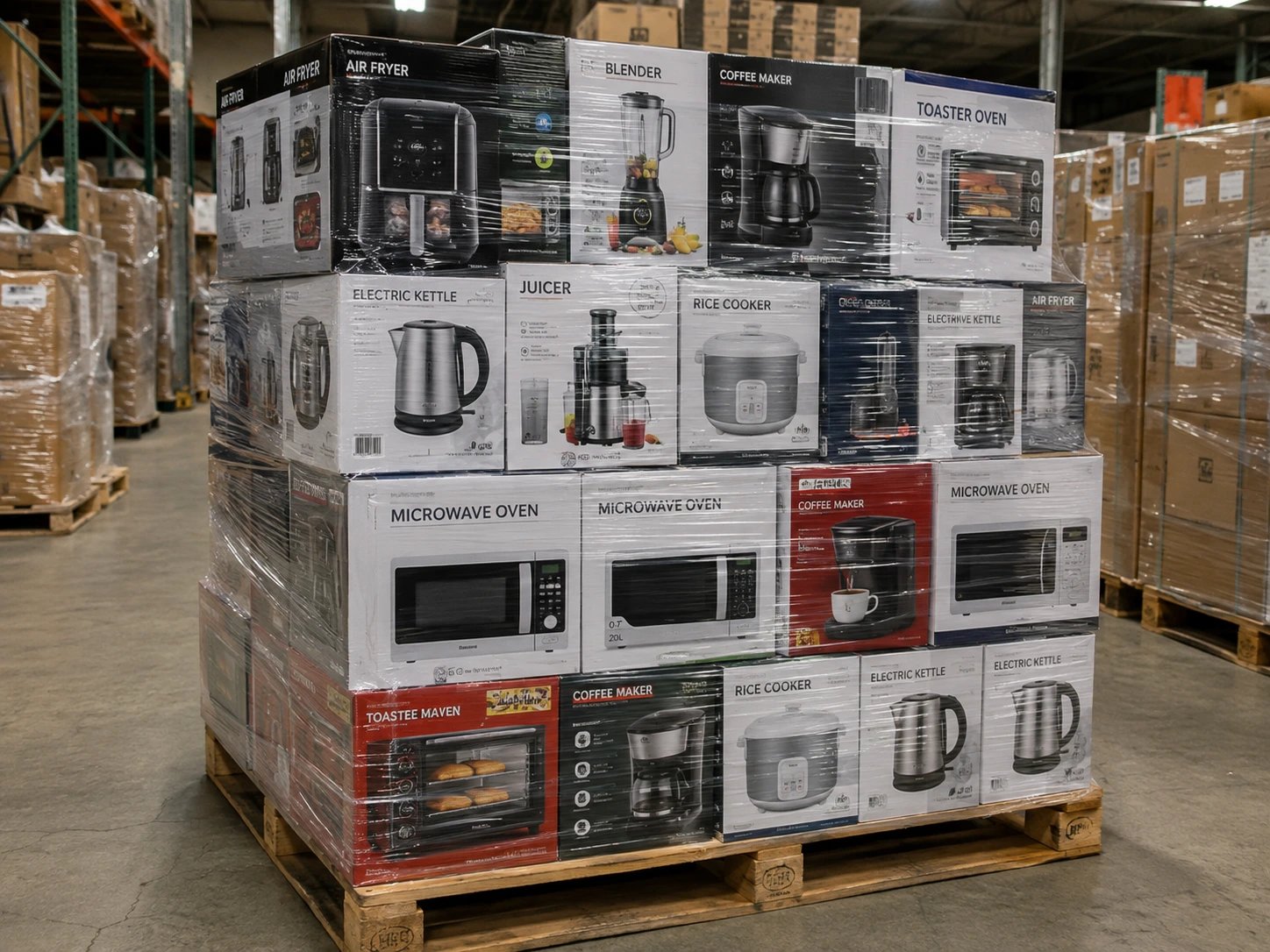
Appliances
For appliance sellers, discount retailers and buyers sourcing larger household products.
Browse Appliances →What to verify before placing an order
Confirm the exact product or load
Identify the pallet, truckload or container program you want and confirm current availability before arranging payment or freight.
Review quantity and condition
Check the stated unit count, assortment, inventory condition and any product-specific notes.
Ask what documentation is available
Confirm whether the program includes a manifest, inventory summary, photos or other supporting information.
Calculate landed cost
Add product cost, freight, delivery access, labor, storage, handling and expected selling costs before evaluating margin.
Plan receiving
Know whether your location needs a liftgate, loading dock, forklift, pallet jack or other receiving equipment.
Confirm order terms
Review the final invoice, freight arrangement, receiving expectations and applicable purchase terms before completing the order.
Freight shipping and receiving
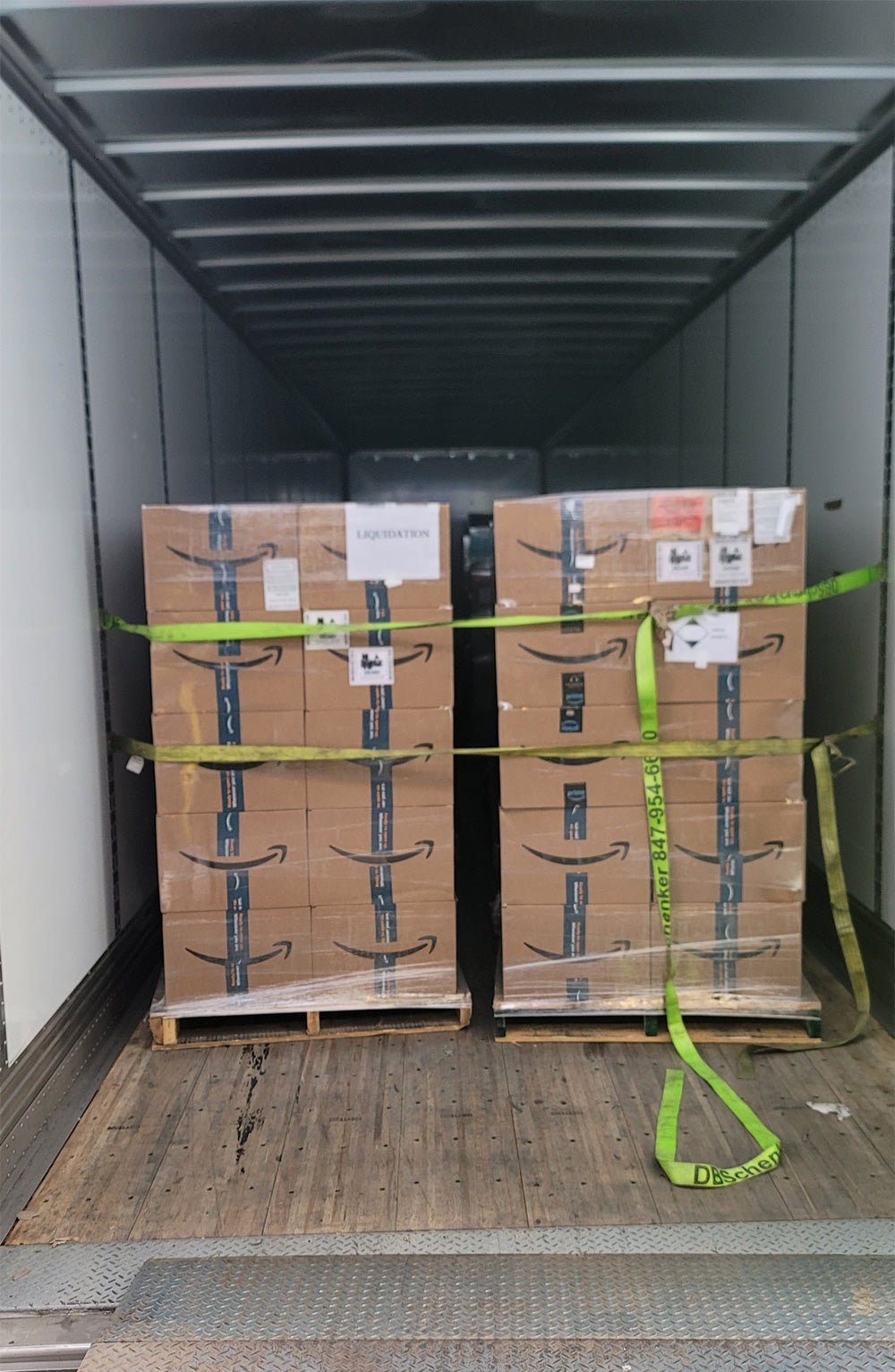
Freight is one of the most important parts of wholesale inventory purchasing. Pallet and truckload shipping costs depend on factors such as shipment size, weight, origin, destination, commercial or residential delivery, liftgate needs and receiving access. Unless a listing specifically states otherwise, buyers should confirm freight separately.
For local buyers, Tampa pickup may be available by confirmed appointment. Buyers should confirm inventory, pickup timing and instructions before traveling. Nationwide U.S. shipping is available, and qualifying international orders may also be arranged depending on destination and freight requirements.
LTL freight
Less-than-truckload freight is commonly used when one or several pallets share trailer space with other shipments. It can be practical for smaller wholesale orders but may require careful attention to appointment, liftgate and accessorial charges.
Full truckload freight
A full truckload is generally used when inventory volume justifies dedicated trailer capacity. Buyers should have adequate receiving space and a plan for unloading, processing and storing a large shipment promptly.
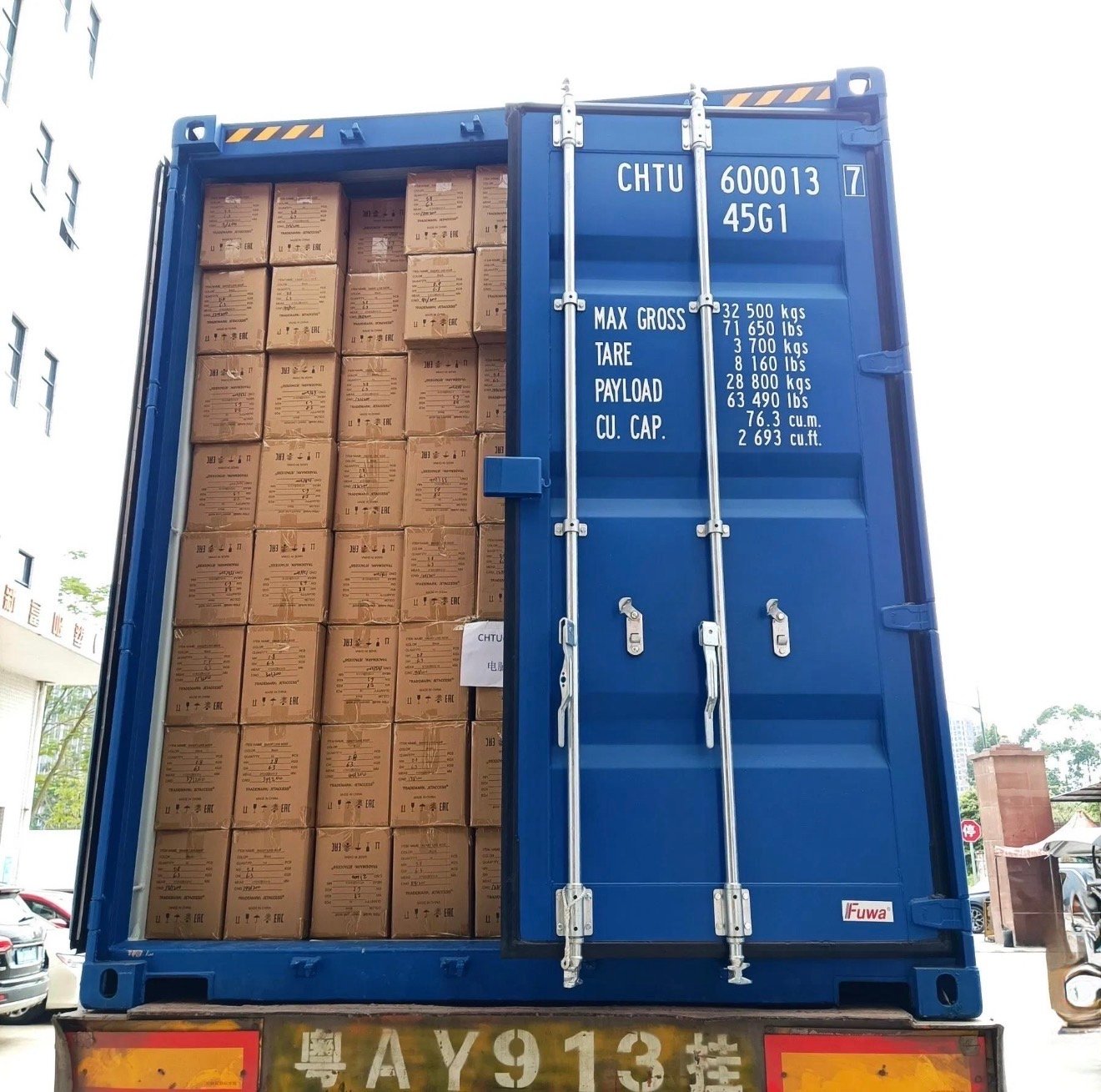
Export containers
Container programs may be suitable for international distributors and high-volume wholesale buyers. Export orders can introduce additional requirements such as port handling, customs, inspection, documentation and destination-specific compliance.
Pallets vs. truckloads: when to scale up
| Factor | Pallet buying | Truckload buying |
|---|---|---|
| Capital required | Usually lower and easier to test | Higher working-capital requirement |
| Storage | Smaller warehouse or storage footprint | Significant receiving and storage space |
| Sales volume | Suitable for developing or focused resale channels | Best for established high-volume sellers |
| Receiving | May be manageable with liftgate or pallet access | Often benefits from dock or forklift capability |
| Assortment risk | Easier to test categories and brands | Greater exposure to one large purchase |
A buyer should generally consider truckloads when pallet inventory is selling consistently, cash flow can absorb a larger purchase, storage and labor are available, and the business has reliable sales channels for the additional volume.
Build the resale plan before inventory arrives
Wholesale buying works best when the sales plan exists before the shipment is delivered. Decide where the merchandise will be sold, how quickly it needs to turn, who will photograph or list items, how returns will be handled and how much working capital must remain available for the next order.
- Online marketplaces: useful for searchable branded products and individually listed merchandise.
- Independent websites: give businesses control over branding, pricing and customer relationships.
- Physical retail: works well for stores that can merchandise bulk inventory efficiently.
- Bin stores and discount outlets: can process broad mixed inventories at higher unit volume.
- B2B resale: can move larger quantities to smaller retailers, market sellers and regional wholesalers.
- Export resale: may support larger-volume programs when freight and customs economics are viable.
Calculate real margin, not just pallet price
The purchase price is only one part of landed cost. A responsible margin calculation should include freight, card or payment costs where applicable, storage, labor, sorting, cleaning, testing, packaging materials, marketplace fees, advertising, local delivery and the expected percentage of slow-moving or unsellable inventory.
If the resale plan only works when every unit sells quickly at the highest expected price, the margin assumption is too fragile.
How buyers can reduce avoidable purchasing risk
Wholesale buyers should verify the seller, domain, contact information, payment instructions, product details and order terms before sending funds. Ask questions when a listing is unclear. Keep copies of invoices, communications and freight information. For large purchases, make sure the business receiving the inventory understands exactly what was ordered and how it will be delivered.
Pallet Stock Depot provides public contact information through the Contact page, inventory through Shop Inventory, and larger programs through Truckloads.
International and export buyers
International buyers should evaluate more than product price. Freight to port, container loading, customs, duties, inspections, destination rules, inland transport and port charges can materially change landed cost. Buyers should also confirm what documentation is available for the specific program and what their destination country requires.
Wholesale buyer checklist
- Choose the category and inventory program that fits your sales channel.
- Confirm current availability and quantity.
- Confirm the represented condition of the merchandise.
- Ask whether photos, manifests or inventory summaries are available.
- Request freight pricing for your destination.
- Confirm whether you need a liftgate, dock or forklift.
- Calculate total landed cost before estimating profit.
- Plan labor, storage and processing capacity.
- Review payment and order terms.
- Keep order, invoice and freight documentation.
